
Kuipers Breeders Ghana Continues Its Support of Ashanti School for the Deaf and Blind
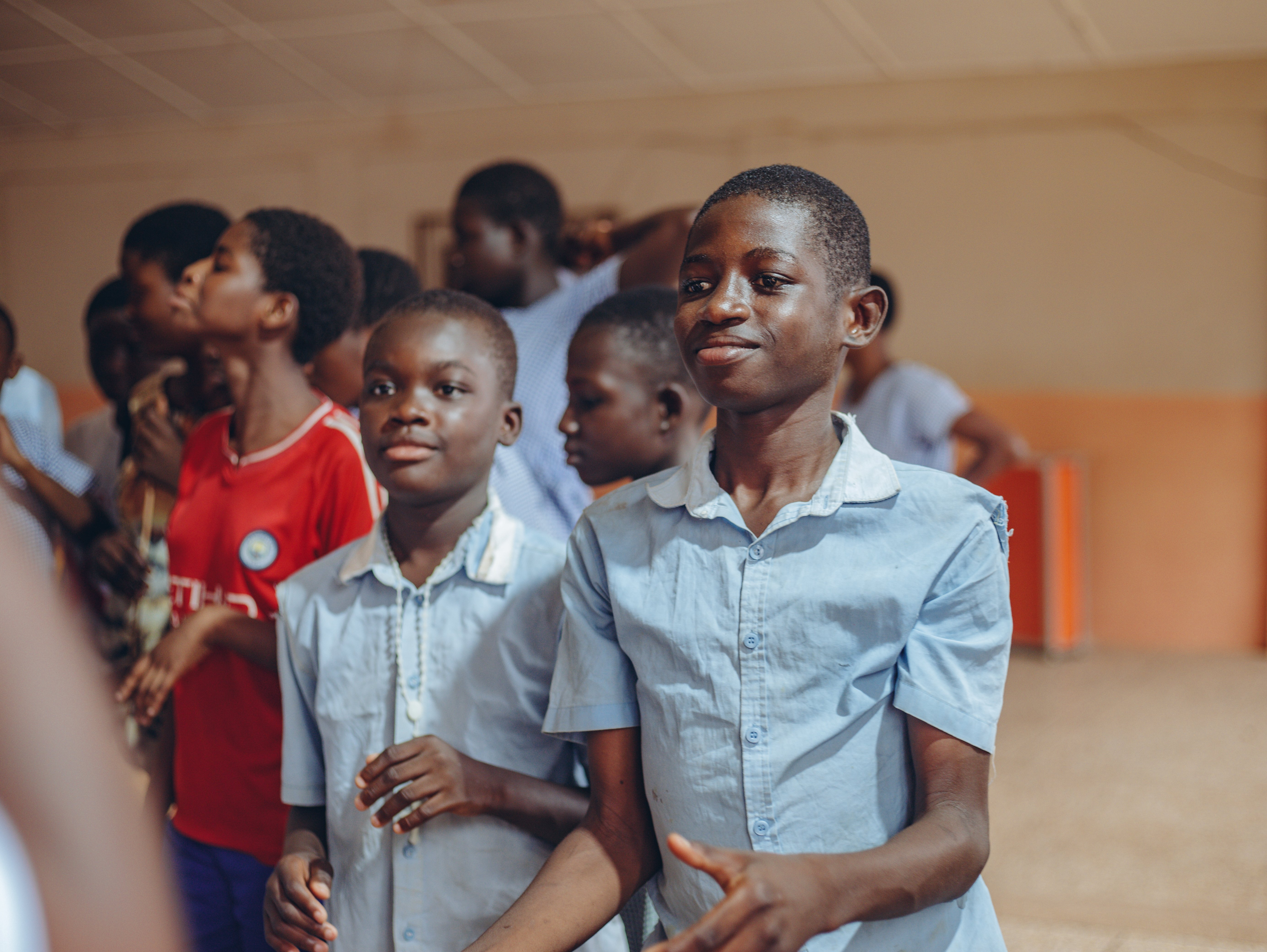
For over ten years, a quiet friendship has existed between the Ashanti School for the Deaf and Blind and Kuipers Breeders. It has never been about fanfare or headlines; it has simply been about community, shared responsibility, and a deep-seated belief that every child deserves the nourishment to grow, learn, and thrive.

Strengthening a School-Based Agricultural System
The school received 500 frozen chickens and 1,000 chicks to expand its poultry operations on the school farm, marking another impactful donation from Kuipers Breeders Ghana.
The poultry unit plays a central role in the school’s feeding programme, providing a consistent and affordable source of protein for students. At the same time, it serves as a revenue-generating venture that aligns with broader poultry farming-for-schools initiatives.
By integrating agriculture into its daily operations, the school has built a model that reduces dependence on external funding, improves food security, and contributes to the development of Ghana's poultry industry.
From Support to Sustainability
What sets this relationship apart is its focus on continuity and growth rather than one-off contributions. Over the years, consistent support has helped the school refine a system where production, consumption, and income generation are interconnected.
The addition of chicks ensures continuity in the production cycle, while the frozen chicken provides immediate support for feeding. Together, these inputs balance short-term needs with long-term sustainability to advance sustainable agriculture within Ghanaian communities.
Learning Beyond the Classroom
Beyond food and income, the school’s farm functions as a practical training ground for students. It introduces them to agricultural skills that can be developed into future livelihoods, reinforcing inclusive education in agriculture.
For students at the Ashanti School for the Deaf and Blind, this model provides opportunities for hands-on learning, builds confidence, and develops skills in a sector that remains a key driver of Ghana’s economy.
Key takeaways
The continued investment highlights a broader approach to agricultural development, one that prioritises inclusion and long-term impact.
By supporting an institution that serves students with special needs, both organisations are helping to create a model of resilience, independence, and opportunity through agriculture, one that continues, through friendship, to strengthen school farming in Ghana with inclusive growth.